Red · Vin de France · Francia
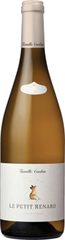
Famille Coulon Le Petit Renard Rouge
Scored from 89 calibrated Vivino reviewers. Cohort: Red · Francia (72 wines).
Find this wine: view on Vivino · compare prices on Wine-Searcher
Is Le Petit Renard Rouge a good wine?
What reviewers say
“Enorme. Des saveurs inédites; thym, anis, Sur le fruit noir sauvage. Suave. C’est excellent. L’équilibre est parfait, l’esthétisme magnifique sobre et efficace de son étiquette représente parfaitement la dégustation. Une étiquette démonstrative de la qualité de la contenance, c’est beau. Perfect shift 💥”
From a top-rated Vivino review for this bottle.
Summary
From Vin de France in France, Famille Coulon Le Petit Renard Rouge is a red. It blends Grenache Noir, Viognier and Shiraz Syrah. The cheapest 750 ml listing found for it is $19.79, which puts the bottle in the $15–30 band.
89 Vivino reviewers are calibrated for this bottle, and those are the ones the calibrated score reads; a separate, broader pool of 89 reviewers with at least two ratings each feeds the raw-average track. The cohort it is ranked inside holds 72 French reds.
- Cohort
- Red · Francia · 72 wines
- Calibrated reviewers
- none yet
Cohort: Red · Francia