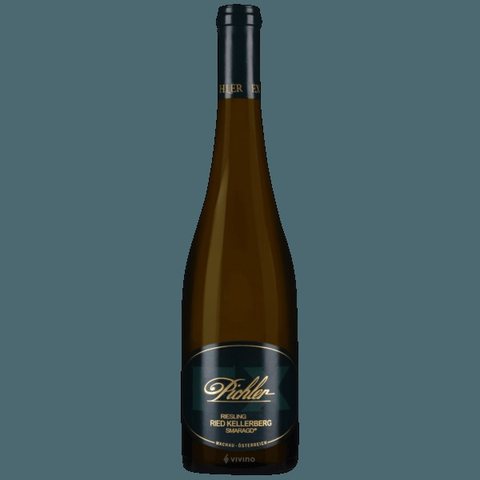
White · Wachau · Áustria
F.X. Pichler Ried Kellerberg Riesling Smaragd
Scored from 206 calibrated Vivino reviewers. Cohort: White · Áustria (38 wines).
Grape · Riesling
98.9%
Global percentile
vs. all 69,234 ranked wines
100%
In-cohort percentile
White · Áustria · 38 wines
—
AI-adjusted percentile
not enough calibrated reviewers yet
Find this wine: view on Vivino · compare prices on Wine-Searcher
Is Ried Kellerberg Riesling Smaragd a good wine?
What reviewers say
“Stone, minerals and sundried fruit (apple, pear, apricot). Full bodied, perfectly structured with super long aftertaste.”
From a top-rated Vivino review for this bottle.
Summary
F.X. Pichler Ried Kellerberg Riesling Smaragd is an Austrian white from Wachau.
206 Vivino reviewers are calibrated for this bottle, and those are the ones the calibrated score reads; a separate, broader pool of 208 reviewers with at least two ratings each feeds the raw-average track. The cohort it is ranked inside holds 38 Austrian whites.
- Cohort
- White · Áustria · 38 wines
- Calibrated reviewers
- none yet
Cohort: White · Áustria
Closest peers
Türk · Veltliner 333
Clemens Strobl · Pfaff (Pfaffenberg) Riesling
Weingut Knoll · Ried Schütt Dürnsteiner Riesling Smaragd
Gritsch Mauritiushof · Dürnsteiner Burg Riesling
Moric · Sankt Georgener Grüner Veltliner Trocken
 White93.9
Franz Hirtzberger · Ried Setzberg - Riesling Smaragd
Weinhofmeisterei Mathias Hirtzberger · Spitaler Grüner Veltliner Smaragd