Red · Vin de France · France
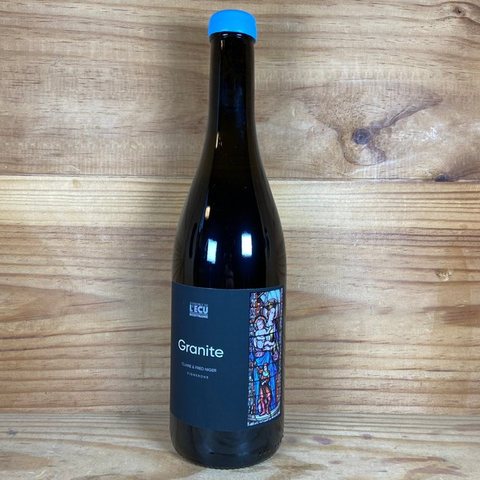
Domaine de l'Ecu Orthogneiss
Scored from 148 calibrated Vivino reviewers. Cohort: Red · France (1,134 wines).
Find this wine: view on Vivino · compare prices on Wine-Searcher
Is Orthogneiss a good wine?
What reviewers say
“Jamais déçu par ce domaine. Certifié bio et biodynamie. 100% melon de bourgogne. Vendanges manuelles, pressurage doux en pneumatique. Pas d’utilisation de pompe. Fermentation spontanée en levures indigènes uniquement en cuves béton. Élevage long sur lies en cuve. Ça apporte une belle texture. Filtration légère ou sans. Nez élégant et subtil, fruits à chair blanche, agrumes et fleurs blanches. Attaque tendue, belle texture, finale salivante. Environ 15€ en cave en France. Super Rapport Q/P!”
From a top-rated Vivino review for this bottle.
Summary
From Vin de France in France, Domaine de l'Ecu Orthogneiss is a red.
148 Vivino reviewers are calibrated for this bottle, and those are the ones the calibrated score reads; a separate, broader pool of 148 reviewers with at least two ratings each feeds the raw-average track. Its in-cohort standing is measured against 1,133 other reds from France, not against the corpus as a whole.
- Cohort
- Red · France · 1,134 wines
- Calibrated reviewers
- none yet