Disznókó Tokaji Aszú Eszencia
7
global pct
99.5
Dessert · Tokaj · Hungary
Disznókó Tokaji Aszú Eszencia
Scored from 144 calibrated Vivino reviewers. Cohort: Dessert · Hungary (39 wines).
99.5%
Global percentile
vs. all 69,234 ranked wines
73.7%
In-cohort percentile
Dessert · Hungary · 39 wines
—
AI-adjusted percentile
not enough calibrated reviewers yet
Find this wine: view on Vivino · compare prices on Wine-Searcher
Is Tokaji Aszú Eszencia a good wine?
What reviewers say
“Amazingly complex, deep in taste. The smell is not developed yet. It is quite sweet compared to the other aszueszencia, because of 350 g/l residual sugar.”
From a top-rated Vivino review for this bottle.
Summary
Disznókó Tokaji Aszú Eszencia is a Hungarian dessert wine from Tokaj.
38 other dessert wines from Hungary form the cohort it is ranked inside. The calibrated figure is built from 144 of its Vivino reviewers. A broader pool of 149 reviewers with two or more ratings feeds the raw-average track instead.
- Cohort
- Dessert · Hungary · 39 wines
- Calibrated reviewers
- none yet
Cohort: Dessert · Hungary
Closest peers
Oremus · Tokaji Aszú 6 Puttonyos
Château Pajzos · Tokaji Aszú 6 Puttonyos
Patricius · Aszú 6 Puttonyos
Royal Tokaji · Betsek 6 Puttonyos Aszú
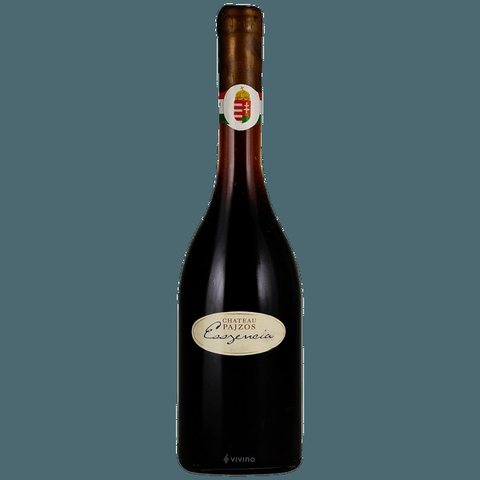 Dessert99.7
Oremus · Tokaji Aszú 5 Puttonyos
Château Dereszla · Aszú Eszencia
Holdvölgy · Culture Tokaji Aszú