Red · Colchagua Valley · Chile
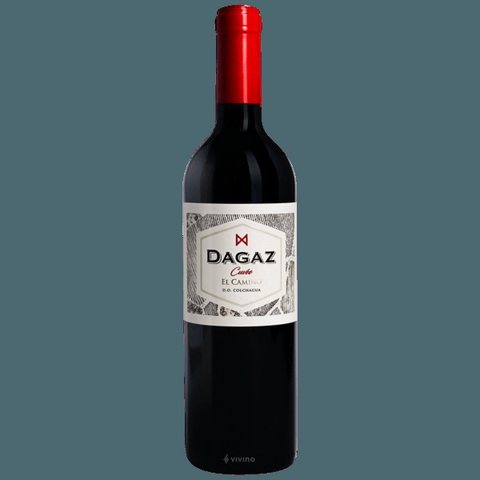
Dagaz Cuvée El Camino
Scored from 56 calibrated Vivino reviewers. Cohort: Red · Chile (444 wines).
Find this wine: view on Vivino · compare prices on Wine-Searcher
Is Cuvée El Camino a good wine?
What reviewers say
“14,5% ABV, Corte de CS e Carmenere. 10 meses de barricas francesas usadas. Rubi escuro com reflexos avermelhados. No nariz frutas vermelhas e negras intensas, madeira presente, torrada, fumo, notas de especiarias e sensação de mineralidade superficial. Na boca seco, macio, elegante, estruturado, bom corpo(+), boa acidez(+) e boa persistencia. Um ótimo vinho. Bom custo beneficio. Belo vinho chileno.”
From a top-rated Vivino review for this bottle.
Summary
Dagaz Cuvée El Camino is a red from Colchagua Valley, Chile. It blends Cabernet Sauvignon and Carmenere.
Its in-cohort standing is measured against 443 other reds from Chile, not against the corpus as a whole. 56 Vivino reviewers are calibrated for this bottle, and those are the ones the calibrated score reads; a separate, broader pool of 58 reviewers with at least two ratings each feeds the raw-average track.
- Cohort
- Red · Chile · 444 wines
- Calibrated reviewers
- none yet