Red · Mendoza · Argentina
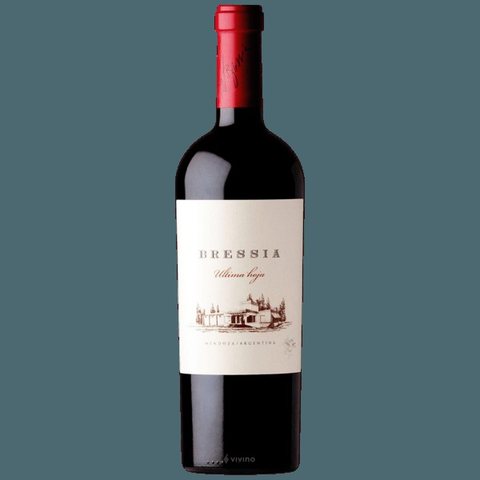
Bressia Ultima Hoja
Scored from 513 calibrated Vivino reviewers. Cohort: Red · Argentina (482 wines).
Find this wine: view on Vivino · compare prices on Wine-Searcher
Is Ultima Hoja a good wine?
What reviewers say
“Ícone malbec mendoncino . Rubi intenso, encorpado, aromático , apimentado, acides forte , taninos maduros com final intenso. 97 UB . Tim TIM .”
From a top-rated Vivino review for this bottle.
Summary
Colour: Intents deep red with purple and black highlights farming an incredibly attractive centre. Nose : Ripe red and dark fruits like plums, raspberries, blackberries and gooseberries.Just the right combination of aromas of chocolate, caramel and coffee lent by the high-quality fine toast of French oak. Palate: Sweet and very well-balanced. Robust and elegant body.
Bressia Ultima Hoja is a red from Mendoza, Argentina, made from Malbec.
The calibrated figure is built from 513 of its Vivino reviewers. A broader pool of 518 reviewers with two or more ratings feeds the raw-average track instead. 481 other reds from Argentina form the cohort it is ranked inside.
- Cohort
- Red · Argentina · 482 wines
- Calibrated reviewers
- none yet