Bonnet-Ponson Jules Bonnet Blanc de Noirs Extra Brut Champagne Premier Cru
3
global pct
79.1
Sparkling · Champagne Premier Cru · França
Bonnet-Ponson Jules Bonnet Blanc de Noirs Extra Brut Champagne Premier Cru
Scored from 67 calibrated Vivino reviewers. Cohort: Sparkling · França (176 wines).
79.1%
Global percentile
vs. all 69,234 ranked wines
48.0%
In-cohort percentile
Sparkling · França · 176 wines
—
AI-adjusted percentile
not enough calibrated reviewers yet
Find this wine: view on Vivino · compare prices on Wine-Searcher
Is Jules Bonnet Blanc de Noirs Extra Brut Champagne Premier Cru a good wine?
Summary
Bonnet-Ponson Jules Bonnet Blanc de Noirs Extra Brut Champagne Premier Cru is a sparkling wine from Champagne Premier Cru, France.
67 Vivino reviewers are calibrated for this bottle, and those are the ones the calibrated score reads; a separate, broader pool of 68 reviewers with at least two ratings each feeds the raw-average track. The cohort it is ranked inside holds 176 French sparkling wines.
- Cohort
- Sparkling · França · 176 wines
- Calibrated reviewers
- none yet
Cohort: Sparkling · França
Closest peers
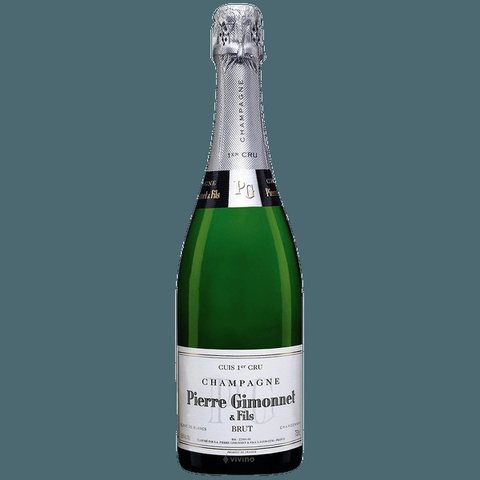 Sparkling78.9
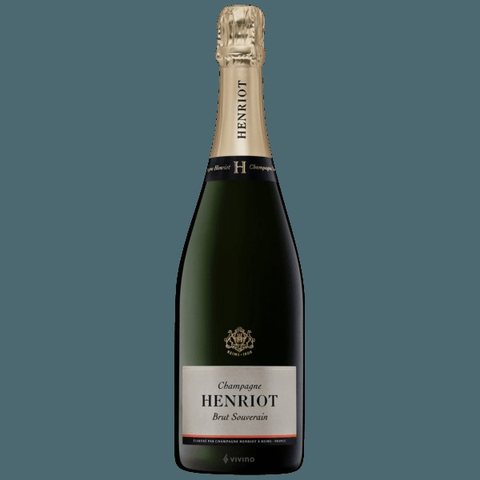 Sparkling79.4
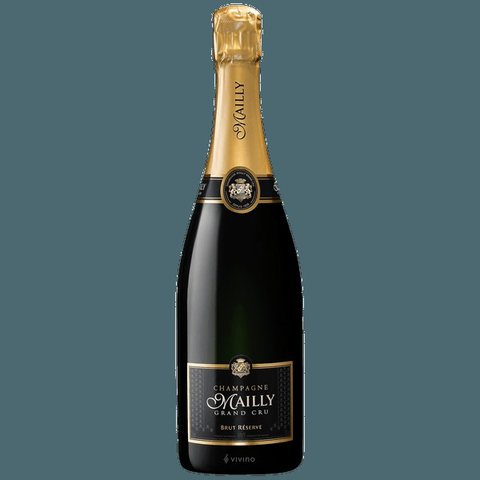 Sparkling79.6
 Sparkling78.6
J.L. Vergnon · Expression Blanc de Blancs Extra Brut Champagne Grand Cru 'Le Mesnil-sur-Oger'
Drappier · Blanc de Blancs Brut Champagne
Soutiran · Perle Noire Brut Champagne Grand Cru 'Ambonnay'
Marie-Courtin · Résonance Extra Brut Champagne