Balthasar Ress Hattenheimer Engelmannsberg Riesling Eiswein
7
global pct
93.2
Dessert · Rheingau · Germany
Balthasar Ress Hattenheimer Engelmannsberg Riesling Eiswein
Scored from 21 calibrated Vivino reviewers. Cohort: Dessert · Germany (10 wines).
93.2%
Global percentile
vs. all 69,234 ranked wines
33.3%
In-cohort percentile
Dessert · Germany · 10 wines
—
AI-adjusted percentile
not enough calibrated reviewers yet
Find this wine: view on Vivino · compare prices on Wine-Searcher
Is Hattenheimer Engelmannsberg Riesling Eiswein a good wine?
What reviewers say
“Tak przyjemny bukiet , łagodne dobrze komponuje się z serem w letni ciepły wieczór”
From a top-rated Vivino review for this bottle.
Summary
From Rheingau in Germany, Balthasar Ress Hattenheimer Engelmannsberg Riesling Eiswein is a dessert wine.
9 other dessert wines from Germany form the cohort it is ranked inside. Only 21 of its Vivino reviewers are calibrated, so the calibrated figure rests on a thin sample; a broader pool of 21 reviewers with at least two ratings feeds the raw-average track.
- Cohort
- Dessert · Germany · 10 wines
- Calibrated reviewers
- none yet
Cohort: Dessert · Germany
Closest peers
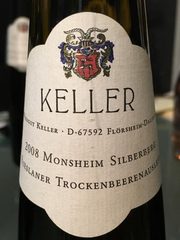 Dessert92.5
Sybille Kuntz · Riesling Beerenauslese Edelsüß
Fritz Haag · Brauneberger Juffer Sonnenuhr Riesling Beerenauslese
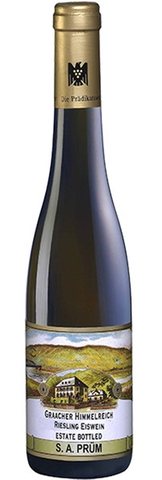 Dessert99.7
Dönnhoff · Oberhäuser Brücke Riesling Eiswein Goldkapsel
Egon Müller - Scharzhof · Scharzhofberger Riesling Eiswein
Markus Molitor · Zeltinger Schlossberg Riesling Trockenbeerenauslese
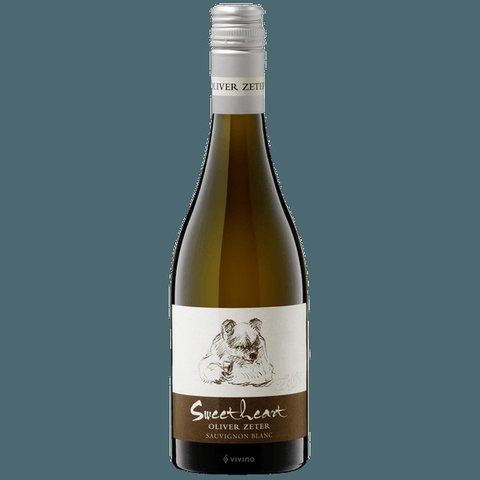 Dessert78.4