Red · Vino Nobile di Montepulciano · Italie
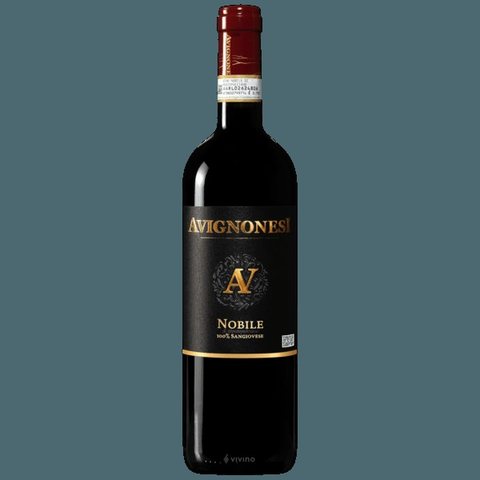
Avignonesi Vino Nobile di Montepulciano
Scored from 5,698 calibrated Vivino reviewers. Cohort: Red · Italie (153 wines).
Find this wine: view on Vivino · compare prices on Wine-Searcher
Is Vino Nobile di Montepulciano a good wine?
What reviewers say
“A quality Sangiovese wine from the south of Tuscany in Italy. This vineyard is becoming well known for their organic and sustainable growing techniques.”
From a top-rated Vivino review for this bottle.
Summary
Intense aromas of fresh, red fruits and forest floor with a touch of sweet spices. The taste is medium-bodied, round and elegant with silky tannins and a long lasting finish.
Avignonesi Vino Nobile di Montepulciano is Sangiovese grown in Vino Nobile di Montepulciano, bottled as a red. The cheapest 750 ml listing found for it is $24.03, which puts the bottle in the $15–30 band.
The calibrated figure is built from 5,698 of its Vivino reviewers. A broader pool of 5,845 reviewers with two or more ratings feeds the raw-average track instead. 152 other reds from Italy form the cohort it is ranked inside.
- Cohort
- Red · Italie · 153 wines
- Calibrated reviewers
- none yet
Cohort: Red · Italie