Red · Barbera d'Asti · Italy
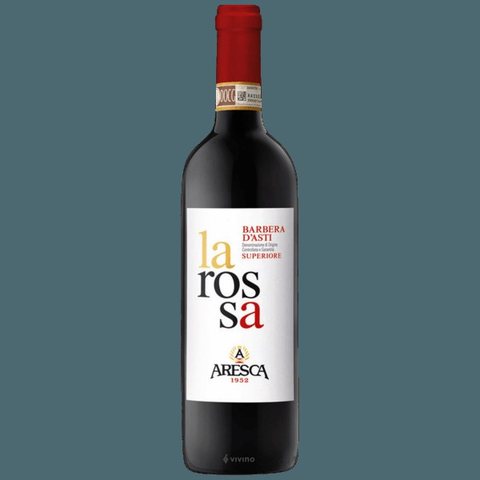
Antica Casa Aresca La Rossa Barbera d'Asti Superiore
Scored from 192 calibrated Vivino reviewers. Cohort: Red · Italy (947 wines).
Find this wine: view on Vivino · compare prices on Wine-Searcher
Is La Rossa Barbera d'Asti Superiore a good wine?
What reviewers say
“⭐️4.05, ✍🏻Fazit:😃interessanter, noch ganz angenehmer und guter Barbera, schön gelungen und zu ganz unterschiedlichen Preisen erhältlich!🤪😂 ⚖️PL:3.65 bei CHF21.90, 3.95 in Aktion zu 16.90, 4.25 (teilweise) Landi bei 9.50, 🇮🇹Italien, Piemont, 📆2020, 🍇Barbera, %=14%/Vol. 👁️2/3 dunkles Rubin-Granatrot, 👃🏻rustikal, leicht urchig, reife Kirschen und Himbeeren, 👄mild, 2/3 milde Säure, milde Tanine, Vanille, rote Beerenfrüchte, ℹ️7-8 M im Barrique, 🗣️2/3 lang, beerig, fruchtig,”
From a top-rated Vivino review for this bottle.
Summary
From Barbera d'Asti in Italy, Antica Casa Aresca La Rossa Barbera d'Asti Superiore is a red.
192 Vivino reviewers are calibrated for this bottle, and those are the ones the calibrated score reads; a separate, broader pool of 193 reviewers with at least two ratings each feeds the raw-average track. 946 other reds from Italy form the cohort it is ranked inside.
- Cohort
- Red · Italy · 947 wines
- Calibrated reviewers
- none yet