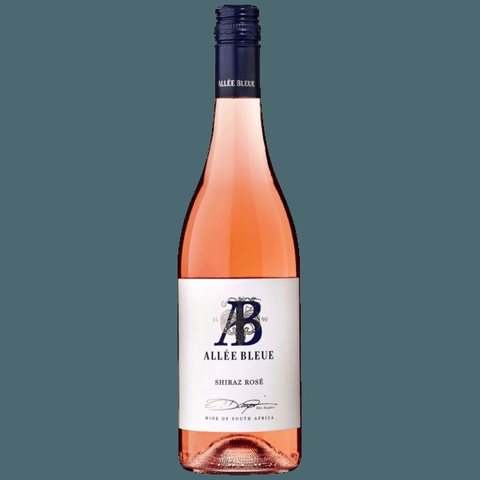
Rosé · Stellenbosch · Zuid-Afrika
Allée Bleue Shiraz Rosé
Scored from 83 calibrated Vivino reviewers. Cohort: Rosé · Zuid-Afrika (32 wines).
Find this wine: view on Vivino · compare prices on Wine-Searcher
Is Shiraz Rosé a good wine?
What reviewers say
“This is an excellent dry, dark coloured Rosé made from 85 % Shiraz, 9% Sauvignon Blanc and 6 % Semillon. It is a medium to heavy Rosé that are not for the light easy drinkers. It has beautiful strong aromas followed by a beautiful strong flavoured well balanced palate that has a long after taste. Flavours: strawberries, red berries, candyfloss, Turkish delight, spices 🍇🇿🇦🍷🍷”
From a top-rated Vivino review for this bottle.
Summary
From Stellenbosch in South Africa, Allée Bleue Shiraz Rosé is a rosé. It is made from Shiraz Syrah.
83 Vivino reviewers are calibrated for this bottle, and those are the ones the calibrated score reads; a separate, broader pool of 83 reviewers with at least two ratings each feeds the raw-average track. Its in-cohort standing is measured against 31 other rosés from South Africa, not against the corpus as a whole.
- Cohort
- Rosé · Zuid-Afrika · 32 wines
- Calibrated reviewers
- none yet
Cohort: Rosé · Zuid-Afrika