Film · 2018 · Films · 2010s
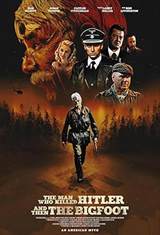
The Man Who Killed Hitler and Then the Bigfoot
Scored from 212 calibrated IMDb reviewers. Cohort: Films · 2010s (13,059 peers).
Summary
An aging former American soldier (Sam Elliott) lives quietly with the secret that, decades earlier, he carried out a covert mission to assassinate Adolf Hitler. When a deadly plague-carrying Bigfoot threatens to wipe out humanity, government agents recruit the reluctant veteran for one last mission into the wilderness, because his unique immunity makes him the only man capable of hunting the creature down.
Released in 2018, The Man Who Killed Hitler and Then the Bigfoot is an adventure, drama and science-fiction film.
The calibrated figure is built from 212 of its IMDb reviewers. A broader pool of 218 reviewers with two or more reviews feeds the raw-average track instead. 13,058 other films from the 2010s form the cohort it is ranked inside. Rotten Tomatoes carries a separate audience for the same title, 119 of whom clear the calibration test.
Is The Man Who Killed Hitler and Then the Bigfoot (2018) worth watching?
- Cohort
- Films · 2010s · 13,059 titles
- Calibrated reviewers
- 212
Cohort: Films · 2010s