Film · 2015 · Films · 2010s
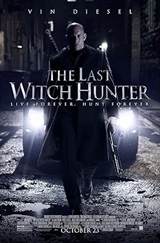
The Last Witch Hunter
Scored from 226 calibrated IMDb reviewers. Cohort: Films · 2010s (13,059 peers).
Summary
An immortal witch hunter, cursed centuries ago by a dying Witch Queen, lives in modern-day New York where he polices a fragile truce between humans and witches for an ancient order. When his longtime handler is seemingly murdered by dark magic, he teams with a young dream-walking witch to uncover a conspiracy aimed at resurrecting the Queen and unleashing a new plague upon humanity.
Released in 2015, The Last Witch Hunter is an action, adventure and fantasy film.
226 IMDb reviewers are calibrated for this title, and those are the ones the calibrated score reads; a separate, broader pool of 230 reviewers with at least two reviews each feeds the raw-average track. A second review pool sits behind it as well: 724 Rotten Tomatoes reviewers clear the same calibration test, and Rankquant scores them separately. Its in-cohort standing is measured against the other 13,058 2010s films, not against the whole corpus.
Is The Last Witch Hunter (2015) worth watching?
- Cohort
- Films · 2010s · 13,059 titles
- Calibrated reviewers
- 226
Cohort: Films · 2010s