Film · 2019 · Films · 2010s
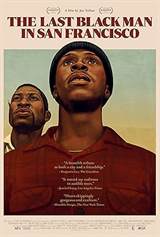
The Last Black Man in San Francisco
Scored from 127 calibrated IMDb reviewers. Cohort: Films · 2010s (13,059 peers).
Summary
Jimmie Fails, a young Black man adrift in a rapidly gentrifying San Francisco, becomes obsessed with reclaiming the ornate Victorian house his grandfather supposedly built in the Fillmore district. With his quiet, playwright best friend Mont at his side, he squats in the home after its current owners vacate, confronting questions of belonging, family myth, and what it means to love a city that is pushing him out.
Released in 2019, The Last Black Man in San Francisco is a drama film.
127 IMDb reviewers are calibrated for this title, and those are the ones the calibrated score reads; a separate, broader pool of 132 reviewers with at least two reviews each feeds the raw-average track. A second review pool sits behind it as well: 152 Rotten Tomatoes reviewers clear the same calibration test, and Rankquant scores them separately. Its in-cohort standing is measured against the other 13,058 2010s films, not against the whole corpus.
Is The Last Black Man in San Francisco (2019) worth watching?
- Cohort
- Films · 2010s · 13,059 titles
- Calibrated reviewers
- 127
Cohort: Films · 2010s