TV Series · 2011 · TV Series · 2010s
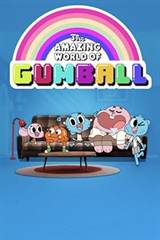
The Amazing World of Gumball
Scored from 156 calibrated IMDb reviewers. Cohort: TV Series · 2010s (3,236 peers).
Summary
An animated comedy series following Gumball Watterson, a 12-year-old blue cat, and his adopted goldfish brother Darwin as they navigate life in the suburban town of Elmore. Alongside their genius little sister Anais and their loving but chaotic parents Nicole and Richard, the family stumbles through everyday situations that spiral into absurd, reality-bending misadventures at school and home.
Released in 2011, The Amazing World of Gumball is an adventure, animation and comedy television series. Its comedy subtype is Goofy.
Its in-cohort standing is measured against the other 3,235 2010s television series, not against the whole corpus. 156 IMDb reviewers are calibrated for this title, and those are the ones the calibrated score reads; a separate, broader pool of 181 reviewers with at least two reviews each feeds the raw-average track.
Is The Amazing World of Gumball (2011) worth watching?
- Cohort
- TV Series · 2010s · 3,236 titles
- Calibrated reviewers
- 156
Cohort: TV Series · 2010s