Film · 1998 · Films · 1990s
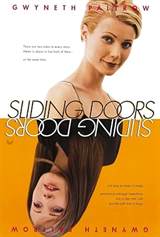
Sliding Doors
Scored from 209 calibrated IMDb reviewers. Cohort: Films · 1990s (4,082 peers).
Summary
After being fired from her London PR job, Helen's life splits into two parallel timelines based on whether she catches a Underground train or misses it. One version sees her discover her boyfriend's affair and reinvent herself, while the other keeps her oblivious and struggling, as fate weaves the two paths toward an unexpected convergence.
Released in 1998, Sliding Doors is a comedy, drama and fantasy film. Its comedy subtype is Dramedy.
A second review pool sits behind it as well: 2,441 Rotten Tomatoes reviewers clear the same calibration test, and Rankquant scores them separately. Its in-cohort standing is measured against the other 4,081 1990s films, not against the whole corpus. 209 IMDb reviewers are calibrated for this title, and those are the ones the calibrated score reads; a separate, broader pool of 216 reviewers with at least two reviews each feeds the raw-average track.
Is Sliding Doors (1998) worth watching?
- Cohort
- Films · 1990s · 4,082 titles
- Calibrated reviewers
- 209
Cohort: Films · 1990s