Film · 2016 · Films · 2010s
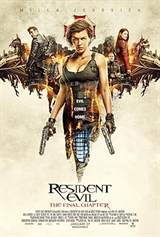
Resident Evil: The Final Chapter
Scored from 377 calibrated IMDb reviewers. Cohort: Films · 2010s (13,059 peers).
Summary
After the devastating events at Washington, D.C., Alice is the only survivor of humanity's last stand against the undead. Now she must return to where the nightmare began - Raccoon City - where the Umbrella Corporation is gathering its forces for a final strike against the remaining survivors of the apocalypse. Racing against time, Alice joins old friends and a mysterious ally in a desperate battle to end the T-virus plague once and for all.
Resident Evil: The Final Chapter (2016) is a film IMDb files under the action, horror and science-fiction genres.
377 IMDb reviewers are calibrated for this title, and those are the ones the calibrated score reads; a separate, broader pool of 386 reviewers with at least two reviews each feeds the raw-average track. A second review pool sits behind it as well: 658 Rotten Tomatoes reviewers clear the same calibration test, and Rankquant scores them separately. 13,058 other films from the 2010s form the cohort it is ranked inside.
Is Resident Evil: The Final Chapter (2016) worth watching?
- Cohort
- Films · 2010s · 13,059 titles
- Calibrated reviewers
- 377
Cohort: Films · 2010s