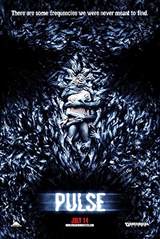
Film · 2006 · Films · 2000s
Pulse
Scored from 200 calibrated IMDb reviewers. Cohort: Films · 2000s (7,847 peers).
Summary
A remake of the Japanese horror film Kairo, Pulse follows a group of college students in Ohio who discover that a mysterious wireless signal is allowing malevolent spirits to cross into the living world through phones and computers. As friends begin vanishing or succumbing to crippling despair, Mattie and a hacker named Dexter race to understand the contagion and find a way to survive as society collapses around them.
Pulse (2006) is a film IMDb files under the horror, science-fiction and thriller genres.
A second review pool sits behind it as well: 757 Rotten Tomatoes reviewers clear the same calibration test, and Rankquant scores them separately. 200 IMDb reviewers are calibrated for this title, and those are the ones the calibrated score reads; a separate, broader pool of 203 reviewers with at least two reviews each feeds the raw-average track. The cohort it is ranked inside is 2000s films — 7,847 of them.
Is Pulse (2006) worth watching?
- Cohort
- Films · 2000s · 7,847 titles
- Calibrated reviewers
- 200
Cohort: Films · 2000s