Film · 2003 · Films · 2000s
Once Upon a Time in Mexico
Scored from 297 calibrated IMDb reviewers. Cohort: Films · 2000s (7,847 peers).
Summary
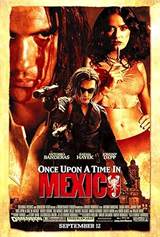
Mariachi gunslinger El Mariachi is recruited by a corrupt CIA agent to stop a cartel-backed coup against the Mexican president. As the plot unfolds, El Mariachi pursues his own vendetta against the general responsible for the death of his wife and daughter, while a tangled web of double-crosses among agents, cartels, and assassins converges on the Day of the Dead.
Once Upon a Time in Mexico (2003) is a film IMDb files under the action, crime and thriller genres.
The cohort it is ranked inside is 2000s films — 7,847 of them. A second review pool sits behind it as well: 8,109 Rotten Tomatoes reviewers clear the same calibration test, and Rankquant scores them separately. 297 IMDb reviewers are calibrated for this title, and those are the ones the calibrated score reads; a separate, broader pool of 350 reviewers with at least two reviews each feeds the raw-average track.
Is Once Upon a Time in Mexico (2003) worth watching?
- Cohort
- Films · 2000s · 7,847 titles
- Calibrated reviewers
- 297
Cohort: Films · 2000s