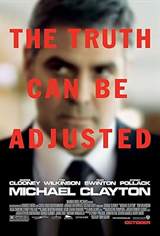
Film · 2007 · Films · 2000s
Michael Clayton
Scored from 414 calibrated IMDb reviewers. Cohort: Films · 2000s (7,847 peers).
Summary
Michael Clayton, a burned-out 'fixer' at a powerful New York law firm, is called in when the lead attorney on a multibillion-dollar class-action defense of an agrochemical company suffers a breakdown and begins sabotaging the case. As Clayton digs into his colleague's claims, he uncovers evidence that forces him to choose between protecting the firm's client and confronting his own complicity.
Michael Clayton (2007) is a film IMDb files under the crime, drama and mystery genres.
A second review pool sits behind it as well: 18,531 Rotten Tomatoes reviewers clear the same calibration test, and Rankquant scores them separately. The cohort it is ranked inside is 2000s films — 7,847 of them. 414 IMDb reviewers are calibrated for this title, and those are the ones the calibrated score reads; a separate, broader pool of 424 reviewers with at least two reviews each feeds the raw-average track.
Is Michael Clayton (2007) worth watching?
- Cohort
- Films · 2000s · 7,847 titles
- Calibrated reviewers
- 414
Cohort: Films · 2000s