Film · 2003 · Films · 2000s
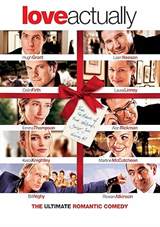
Love Actually
Scored from 926 calibrated IMDb reviewers. Cohort: Films · 2000s (7,847 peers).
Summary
A Christmas-set romantic comedy following interconnected love stories across London, including a newly elected Prime Minister, a widowed father and his son, a cynical novelist, a shy record-store clerk, and other characters seeking connection and love during the holiday season.
Love Actually is a 2003 comedy, drama and romance film. It stars Hugh Grant, Emma Thompson and Colin Firth. Its comedy subtype is Romcom. It runs 2h 15m. It was directed by Richard Curtis. It is rated R. It was made in the United Kingdom.
7,846 other films from the 2000s form the cohort it is ranked inside. 926 IMDb reviewers are calibrated for this title, and those are the ones the calibrated score reads; a separate, broader pool of 964 reviewers with at least two reviews each feeds the raw-average track. A second review pool sits behind it as well: 187,617 Rotten Tomatoes reviewers clear the same calibration test, and Rankquant scores them separately.
Is Love Actually (2003) worth watching?
- Cohort
- Films · 2000s · 7,847 titles
- Calibrated reviewers
- 926
Cohort: Films · 2000s