Film · 2023 · Films · 2020s
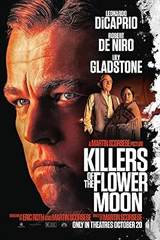
Killers of the Flower Moon
Scored from 1,161 calibrated IMDb reviewers. Cohort: Films · 2020s (7,930 peers).
Summary
In 1920s Oklahoma, oil brings unprecedented wealth to the Osage Nation, triggering a conspiracy of systematic murders targeting Osage members for their oil fortunes. A determined FBI agent arrives to investigate the murders and expose the criminal network behind them.
Martin Scorsese directed Killers of the Flower Moon, a crime, drama and history film from 2023. The runtime is 206 minutes. It was made in the United States. It is rated R. It stars Leonardo DiCaprio, Robert De Niro and Lily Gladstone.
A second review pool sits behind it as well: 1,228 Rotten Tomatoes reviewers clear the same calibration test, and Rankquant scores them separately. Its in-cohort standing is measured against the other 7,929 2020s films, not against the whole corpus. 1,161 IMDb reviewers are calibrated for this title, and those are the ones the calibrated score reads; a separate, broader pool of 1,216 reviewers with at least two reviews each feeds the raw-average track.
Is Killers of the Flower Moon (2023) worth watching?
- Cohort
- Films · 2020s · 7,930 titles
- Calibrated reviewers
- 1,161
Cohort: Films · 2020s