Film · 2011 · Films · 2010s
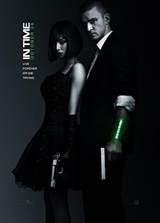
In Time
Scored from 549 calibrated IMDb reviewers. Cohort: Films · 2010s (13,059 peers).
Summary
In a dystopian future where people stop aging at 25 and time is the global currency, a poor factory worker suddenly inherits a century of time. He becomes the target of both criminal elements and a determined timekeeper as he attempts to navigate a stark divide between the wealthy immortals and the impoverished masses living day-to-day.
In Time (2011) is a film IMDb files under the science fiction, thriller and action genres. It runs 1h 49m and carries a PG-13 certificate. It was made in the United States. It stars Justin Timberlake, Amanda Seyfried and Cillian Murphy. It was directed by Andrew Niccol.
A second review pool sits behind it as well: 5,348 Rotten Tomatoes reviewers clear the same calibration test, and Rankquant scores them separately. 549 IMDb reviewers are calibrated for this title, and those are the ones the calibrated score reads; a separate, broader pool of 572 reviewers with at least two reviews each feeds the raw-average track. 13,058 other films from the 2010s form the cohort it is ranked inside.
Is In Time (2011) worth watching?
- Cohort
- Films · 2010s · 13,059 titles
- Calibrated reviewers
- 549
Cohort: Films · 2010s