Film · 2005 · Films · 2000s
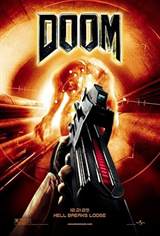
Doom
Scored from 609 calibrated IMDb reviewers. Cohort: Films · 2000s (7,847 peers).
Summary
An elite team of soldiers is sent to a research facility on Mars to investigate a security breach and combat an unknown hostile threat. They discover that demonic creatures have been released within the facility, turning colonists and soldiers into violent monsters. The team must fight for survival against the rapidly multiplying creatures threatening to escape Mars.
Doom is a 2005 science fiction, horror and action film starring Karl Urban, Dwayne Johnson and Rosamund Pike. Andrzej Bartkowiak directed it. Its country of origin is listed as the United States. It runs 1h 50m. Its certificate is R.
7,846 other films from the 2000s form the cohort it is ranked inside. The calibrated figure is built from 609 of its IMDb reviewers. A broader pool of 632 reviewers with two or more reviews feeds the raw-average track instead. Rotten Tomatoes carries a separate audience for the same title, 8,881 of whom clear the calibration test.
Is Doom (2005) worth watching?
- Cohort
- Films · 2000s · 7,847 titles
- Calibrated reviewers
- 609
Cohort: Films · 2000s