Film · 2017 · Films · 2010s
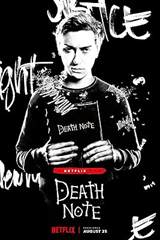
Death Note
Scored from 719 calibrated IMDb reviewers. Cohort: Films · 2010s (13,059 peers).
Summary
A high school student discovers a supernatural notebook that kills anyone whose name is written in it. He uses the Death Note to become a vigilante executioner, eliminating criminals and reshaping society, but a mysterious detective known as L begins a dangerous investigation to stop him.
Adam Wingard directed Death Note, a thriller, crime and supernatural film from 2017. It was made in the United States. It runs 1h 41m. It is rated PG-13. It stars Nat Wolff, Lakeith Stanfield and Margaret Qualley.
Its in-cohort standing is measured against the other 13,058 2010s films, not against the whole corpus. 719 IMDb reviewers are calibrated for this title, and those are the ones the calibrated score reads; a separate, broader pool of 746 reviewers with at least two reviews each feeds the raw-average track. A second review pool sits behind it as well: 478 Rotten Tomatoes reviewers clear the same calibration test, and Rankquant scores them separately.
Is Death Note (2017) worth watching?
- Cohort
- Films · 2010s · 13,059 titles
- Calibrated reviewers
- 719
Cohort: Films · 2010s