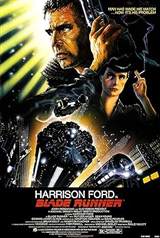
Film · 1982 · Films · 1980s
Blade Runner
Scored from 1,383 calibrated IMDb reviewers. Cohort: Films · 1980s (3,141 peers).
Summary
In a dystopian future Los Angeles, retired police officer Rick Deckard is brought back to hunt down a group of illegal replicants—artificial beings created to perform dangerous work—who have escaped and are living in hiding among humans. As Deckard tracks them down, he becomes increasingly uncertain about the nature of humanity and consciousness.
Blade Runner is a 1982 science fiction, noir and thriller film. It is rated R. It was directed by Ridley Scott. The runtime is 117 minutes. It was made in the United States. It stars Harrison Ford, Rutger Hauer and Sean Young.
A second review pool sits behind it as well: 22,404 Rotten Tomatoes reviewers clear the same calibration test, and Rankquant scores them separately. Its in-cohort standing is measured against the other 3,140 1980s films, not against the whole corpus. 1,383 IMDb reviewers are calibrated for this title, and those are the ones the calibrated score reads; a separate, broader pool of 1,459 reviewers with at least two reviews each feeds the raw-average track.
Is Blade Runner (1982) worth watching?
- Cohort
- Films · 1980s · 3,141 titles
- Calibrated reviewers
- 1,383
Cohort: Films · 1980s