Film · 2013 · Films · 2010s
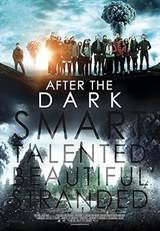
After the Dark
Scored from 137 calibrated IMDb reviewers. Cohort: Films · 2010s (13,059 peers).
Summary
On the last day of class at an international school in Jakarta, a philosophy teacher challenges his graduating students to a thought experiment: a nuclear apocalypse is imminent and only ten of twenty-one people can fit in a bunker to repopulate the earth. Each student is assigned an occupation, and they must debate who deserves to survive, running the scenario multiple times as alliances and assumptions shift.
Released in 2013, After the Dark is a drama, fantasy and mystery film.
13,058 other films from the 2010s form the cohort it is ranked inside. A second review pool sits behind it as well: 177 Rotten Tomatoes reviewers clear the same calibration test, and Rankquant scores them separately. 137 IMDb reviewers are calibrated for this title, and those are the ones the calibrated score reads; a separate, broader pool of 141 reviewers with at least two reviews each feeds the raw-average track.
Is After the Dark (2013) worth watching?
- Cohort
- Films · 2010s · 13,059 titles
- Calibrated reviewers
- 137
Cohort: Films · 2010s