TV Series · 2020 · TV Series · 2020s
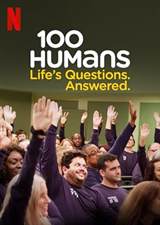
100 Humans: Life's Questions. Answered.
Scored from 126 calibrated IMDb reviewers. Cohort: TV Series · 2020s (3,070 peers).
Summary
A Netflix social experiment series in which a diverse group of 100 people from varied backgrounds, ages, and identities participate in playful tests and challenges designed to explore big questions about life, attraction, aging, gender, and human behavior. Each episode tackles a different topic, using the group's responses and reactions to surface patterns and surprises about what makes people tick.
100 Humans: Life's Questions. Answered. (2020) is a television series IMDb files under the reality genre.
126 IMDb reviewers are calibrated for this title, and those are the ones the calibrated score reads; a separate, broader pool of 138 reviewers with at least two reviews each feeds the raw-average track. Its in-cohort standing is measured against the other 3,069 2020s television series, not against the whole corpus.
Is 100 Humans: Life's Questions. Answered. (2020) worth watching?
- Cohort
- TV Series · 2020s · 3,070 titles
- Calibrated reviewers
- 126
Cohort: TV Series · 2020s