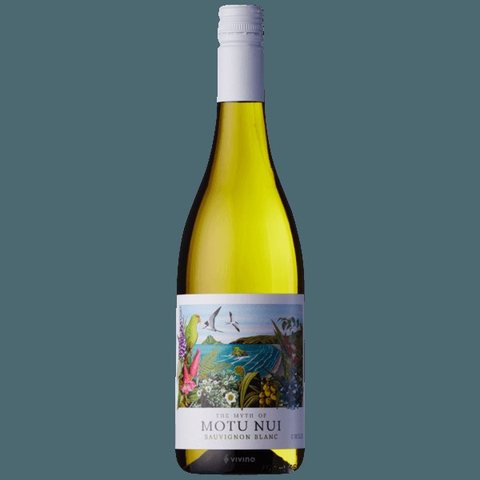
White · Aconcagua Valley · Chile
Paul Boutinot The Myth of Motu Nui Sauvignon Blanc
Scored from 130 calibrated Vivino reviewers. Cohort: White · Chile (563 wines).
Find this wine: view on Vivino · compare prices on Wine-Searcher
Is The Myth of Motu Nui Sauvignon Blanc a good wine?
What reviewers say
“Tangy and zesty, this Chilean Sauv Blanc does an uncanny imitation of the NZ profile. Gooseberry and grapefruit on the nose, which are then joined by passion fruit on the palate. The finish is crisp and herbaceous, with prominent bell pepper notes and touches of lime. 12.5% abv. Julia was a fan of this one. We enjoyed it with chicken flautas. 9.18.22”
From a top-rated Vivino review for this bottle.
Summary
From Aconcagua Valley in Chile, Paul Boutinot The Myth of Motu Nui Sauvignon Blanc is a white.
562 other whites from Chile form the cohort it is ranked inside. The calibrated figure is built from 130 of its Vivino reviewers. A broader pool of 134 reviewers with two or more ratings feeds the raw-average track instead.
- Cohort
- White · Chile · 563 wines
- Calibrated reviewers
- none yet
Cohort: White · Chile
Closest peers
 White42