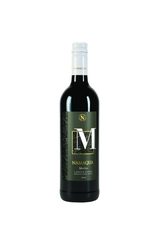
Red · Região costeira · África do Sul
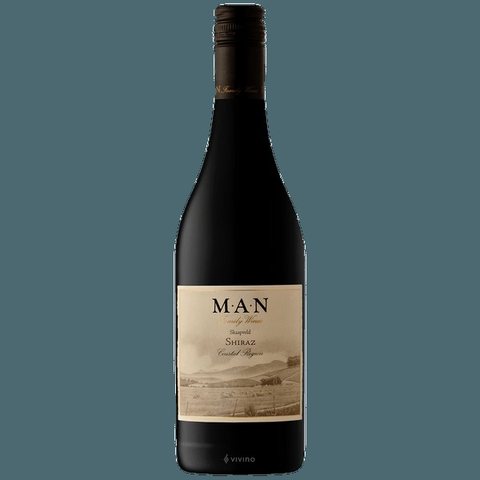
MAN Shiraz (Skaapveld)
Scored from 1,667 calibrated Vivino reviewers. Cohort: Red · África do Sul (11 wines).
Find this wine: view on Vivino · compare prices on Wine-Searcher
Is Shiraz (Skaapveld) a good wine?
What reviewers say
“This is a bold and structured varietal (red blend) wine 85% Shiraz - 14% Mourvèdre - 1% Viognier from South Africa 🇿🇦 Skaapveld Shiraz — ‘Skaapveld’ refers to the grazing land for sheep that adjoins many of the Shiraz vineyards in our region.”
From a top-rated Vivino review for this bottle.
Summary
MAN Shiraz (Skaapveld) is a red from Região costeira, South Africa. The cheapest 750 ml listing found for it is $15.99, which puts the bottle in the $15–30 band.
1,667 Vivino reviewers are calibrated for this bottle, and those are the ones the calibrated score reads; a separate, broader pool of 1,737 reviewers with at least two ratings each feeds the raw-average track. Its in-cohort standing is measured against 10 other reds from South Africa, not against the corpus as a whole.
- Cohort
- Red · África do Sul · 11 wines
- Calibrated reviewers
- none yet
Cohort: Red · África do Sul