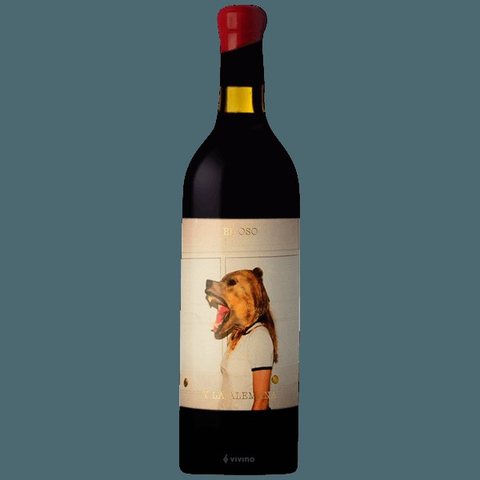
Red · Toro · Espagne
Màquina y Tabla El Oso y La Alemana Tinto
Scored from 180 calibrated Vivino reviewers. Cohort: Red · Espagne (153 wines).
Find this wine: view on Vivino · compare prices on Wine-Searcher
Is El Oso y La Alemana Tinto a good wine?
What reviewers say
“Experiència DVI 09/22 #2: Comencem per la curiositat: ampolla etiquetada del 20 amb tap del 19. Assumirem que es un 20 i es que hi havia taps de sobra 😂 Tal i com ens indica el David va bé baixar-li la temperatura una mica amb mitja horeta de nevera. Li anirà bé arrodonir-se en ampolla un temps però ja es un vi intens, amb certa densitat, fruita vermella i terrositat. Un punt de frescor. Astringencia marcada i encara acidesa. Repetiria, però també m’agradaria beure’l amb uns anyets d’ampolla.”
From a top-rated Vivino review for this bottle.
Summary
Màquina y Tabla El Oso y La Alemana Tinto is a red from Toro, Spain.
152 other reds from Spain form the cohort it is ranked inside. 180 Vivino reviewers are calibrated for this bottle, and those are the ones the calibrated score reads; a separate, broader pool of 185 reviewers with at least two ratings each feeds the raw-average track.
- Cohort
- Red · Espagne · 153 wines
- Calibrated reviewers
- none yet