Red · Sonoma Coast · United States
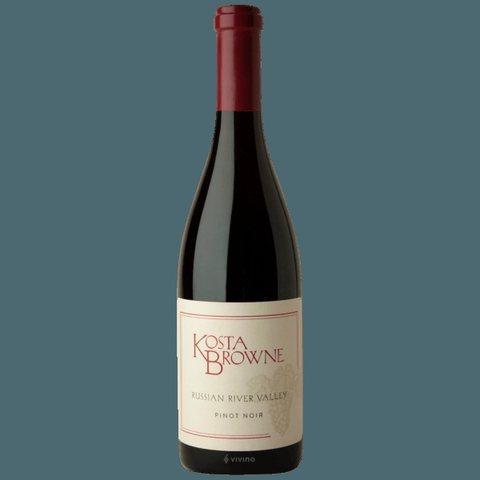
Kosta Browne Sonoma Coast Pinot Noir
Scored from 1,942 calibrated Vivino reviewers. Cohort: Red · United States (1,156 wines).
Find this wine: view on Vivino · compare prices on Wine-Searcher
Is Sonoma Coast Pinot Noir a good wine?
Tasting profile
A silky, full-bodied Pinot Noir with notes of bing cherry, cola, earth, sassafras and nutmeg, layered with red berries, dried orange, cranberry and a touch of cinnamon. Rich, smooth and vibrant on the nose with a long, complex finish that keeps evolving on the palate.
Synthesized from 1,942Vivino reviewers' tasting notes for this bottle.
What reviewers say
“It was a ruby color with a nose of red berries. Full bodied with red fruit, mineral and a long finish; it was rich and smooth—almost cabernet like in texture.”
From a top-rated Vivino review for this bottle.
Summary
Kosta Browne Sonoma Coast Pinot Noir is an American red from Sonoma Coast.
The calibrated figure is built from 1,942 of its Vivino reviewers. A broader pool of 2,004 reviewers with two or more ratings feeds the raw-average track instead. The cohort it is ranked inside holds 1,156 American reds.
- Cohort
- Red · United States · 1,156 wines
- Calibrated reviewers
- none yet