Red · Lujan de Cuyo · Argentina
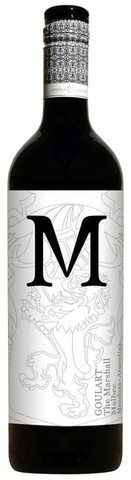
Goulart G de Goulart Malbec
Scored from 754 calibrated Vivino reviewers. Cohort: Red · Argentina (482 wines).
Find this wine: view on Vivino · compare prices on Wine-Searcher
Is G de Goulart Malbec a good wine?
What reviewers say
“Excelente vinho p faixa de preço!!! Mt agradável ao olfato, frutado, notas de morango e cereja. Na boca mt redondo, macio e gostoso. Recomendo e está em minha lista de vinhos que comprarei novamento. Ótimo custo benefício! Parabéns à G de Goulart pelo vinho e também à Wane por me ofertar essa seleção em maio de 2015.”
From a top-rated Vivino review for this bottle.
Summary
From Lujan de Cuyo in Argentina, Goulart G de Goulart Malbec is a red. It is made from Tempranillo.
754 Vivino reviewers are calibrated for this bottle, and those are the ones the calibrated score reads; a separate, broader pool of 785 reviewers with at least two ratings each feeds the raw-average track. Its in-cohort standing is measured against 481 other reds from Argentina, not against the corpus as a whole.
- Cohort
- Red · Argentina · 482 wines
- Calibrated reviewers
- none yet
Cohort: Red · Argentina