Film · 2020 · Films · 2020s
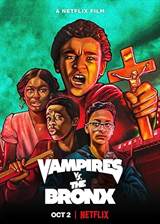
Vampires vs. the Bronx
Scored from 150 calibrated IMDb reviewers. Cohort: Films · 2020s (7,930 peers).
Summary
A group of teenagers from the Bronx discover that the wave of gentrification sweeping through their neighborhood is actually a front for a coven of vampires preying on the community. Led by young Miguel 'Lil Mayor' Martinez, the kids must convince skeptical adults and band together to fight back and save their block.
Released in 2020, Vampires vs. the Bronx is a comedy and horror film. Its comedy subtype is Dark Comedy.
150 IMDb reviewers are calibrated for this title, and those are the ones the calibrated score reads; a separate, broader pool of 152 reviewers with at least two reviews each feeds the raw-average track. Its in-cohort standing is measured against the other 7,929 2020s films, not against the whole corpus. A second review pool sits behind it as well: 83 Rotten Tomatoes reviewers clear the same calibration test, and Rankquant scores them separately.
Is Vampires vs. the Bronx (2020) worth watching?
- Cohort
- Films · 2020s · 7,930 titles
- Calibrated reviewers
- 150
Cohort: Films · 2020s