RankquantRQ
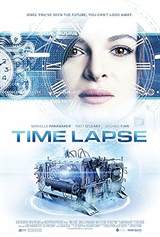
Time Lapse (2014) poster
2014
global pct
58.6

Film · 2014 · Films · 2010s

Time Lapse

Scored from 180 calibrated IMDb reviewers, each re-centered on their own rating baseline before the title is ranked. Cohort: Films · 2010s (13,059 peers).

58.6%
Global percentile
vs. all 52,376 ranked titles
65.5%
In-cohort percentile
Films · 2010s · 13,059 titles
75.2%
AI-adjusted percentile
180 calibrated reviewers, thin samples pulled to the mean

Summary

Three friends discover that their reclusive neighbor owned a camera that takes Polaroid photos of their living room exactly 24 hours into the future. They begin using the device to gain an edge - placing winning gambling bets and creating art - but soon feel compelled to stage each day to match the photos, and the consequences grow increasingly dangerous.

Released in 2014, Time Lapse is a mystery, science-fiction and thriller film.

The cohort it is ranked inside is 2010s films — 13,059 of them. The calibrated figure is built from 180 reviewers whose rating history varies enough to place their own average. A broader pool of 187 reviewers with two or more reviews feeds the raw-average track instead. Rotten Tomatoes carries a separate audience for the same title, 205 of whom clear the calibration test.

How the score was built

We compare the reviewers of this title against every other title those same people reviewed. Each review is scored relative to the reviewer's own baseline — a 7/10 from a hard grader sits well above their average, while a 7/10 from a generous grader sits below theirs. Every reviewer then counts the same, so the result is a calibrated consensus rather than a raw average.

Global percentile
Where Time Lapse lands against every title we rank.
In-cohort percentile
The same comparison narrowed to its cohort — titles of the same format released in the same decade. A 1970s film is judged against 1970s films, not against last year's streaming series. Ranked against Films · 2010s (13,059 titles).
AI-adjusted percentile
The same reviewer-normalized score, corrected for how much confidence the sample supports: thin samples are pulled toward the corpus average. Each title keeps the share n / (n + 53) of its measured distance from the average, where n is its calibrated-reviewer count, and the result is ranked on the same scale as the global percentile.53 is the median sample size across everything we rank. Here n is 180.

Cohort: Films · 2010s

Closest peers in the same cohort

See all 52,376