Film · 2021 · Films · 2020s
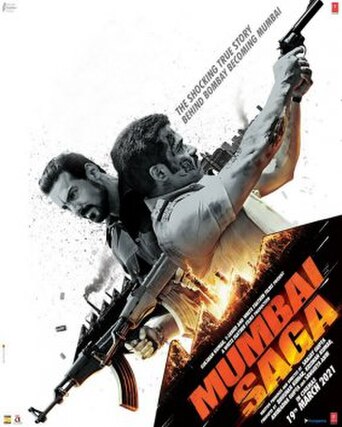
Mumbai Saga
Scored from 193 calibrated IMDb reviewers. Cohort: Films · 2020s (7,930 peers).
Summary
Set in 1980s-90s Bombay as it transforms into Mumbai, the film follows Amartya Rao, a fierce street fighter who rises through the city's criminal underworld to protect his family and small-business community from extortionists. His ascent to gangland power draws the attention of a relentless police officer, Vijay Savarkar, setting up a violent collision between cop and don against the backdrop of the city's changing skyline.
Mumbai Saga (2021) is a film IMDb files under the action, crime and history genres.
Its in-cohort standing is measured against the other 7,929 2020s films, not against the whole corpus. 193 IMDb reviewers are calibrated for this title, and those are the ones the calibrated score reads; a separate, broader pool of 283 reviewers with at least two reviews each feeds the raw-average track. A second review pool sits behind it as well: 1 Rotten Tomatoes reviewers clear the same calibration test, and Rankquant scores them separately.
Is Mumbai Saga (2021) worth watching?
- Cohort
- Films · 2020s · 7,930 titles
- Calibrated reviewers
- 193
Cohort: Films · 2020s