Film · 2013 · Films · 2010s
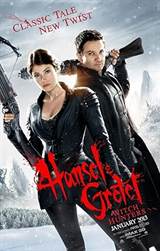
Hansel & Gretel: Witch Hunters
Scored from 328 calibrated IMDb reviewers. Cohort: Films · 2010s (13,059 peers).
Summary
Years after escaping the gingerbread house, siblings Hansel and Gretel have become hardened bounty hunters who track and kill witches for hire. When a small town is plagued by a series of child abductions ahead of a blood moon, the duo are hired to investigate and find themselves up against a powerful grand witch whose plans are tied to their own forgotten past.
Released in 2013, Hansel & Gretel: Witch Hunters is an action, fantasy and horror film.
The cohort it is ranked inside is 2010s films — 13,059 of them. A second review pool sits behind it as well: 3,509 Rotten Tomatoes reviewers clear the same calibration test, and Rankquant scores them separately. 328 IMDb reviewers are calibrated for this title, and those are the ones the calibrated score reads; a separate, broader pool of 340 reviewers with at least two reviews each feeds the raw-average track.
Is Hansel & Gretel: Witch Hunters (2013) worth watching?
- Cohort
- Films · 2010s · 13,059 titles
- Calibrated reviewers
- 328
Cohort: Films · 2010s