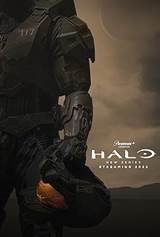
TV Series · 2022 · TV Series · 2020s
Halo
Scored from 1,283 calibrated IMDb reviewers. Cohort: TV Series · 2020s (3,070 peers).
Summary
In an alternate timeline, humanity faces an existential threat from an alien covenant. A young woman with mysterious psychic abilities becomes central to the conflict between the United Nations Space Command and an extraterrestrial enemy, while the Spartan super-soldier program fights for humanity's survival.
Released in 2022, Halo is a science fiction, action and drama television series. Its country of origin is listed as the United States. Its certificate is TV-MA. Pablo Schreiber, Natascha McElhone and Jen Taylor head the billed cast. Kyle Killen created it. Episodes run about 50m.
The calibrated figure is built from 1,283 of its IMDb reviewers. A broader pool of 1,400 reviewers with two or more reviews feeds the raw-average track instead. Rotten Tomatoes carries a separate audience for the same title, 711 of whom clear the calibration test. 3,069 other television series from the 2020s form the cohort it is ranked inside.
Is Halo (2022) worth watching?
- Cohort
- TV Series · 2020s · 3,070 titles
- Calibrated reviewers
- 1,283
Cohort: TV Series · 2020s