Film · 2016 · Films · 2010s
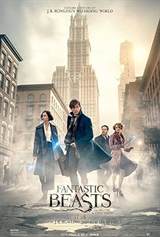
Fantastic Beasts and Where to Find Them
Scored from 765 calibrated IMDb reviewers. Cohort: Films · 2010s (13,059 peers).
Summary
Magizoologist Newt Scamander arrives in New York with a briefcase containing magical creatures. When several creatures escape, he must recover them while navigating conflicts within the magical community and uncovering a darker conspiracy.
Released in 2016, Fantastic Beasts and Where to Find Them is a fantasy, adventure and comedy film. Eddie Redmayne, Katherine Waterston and Dan Fogler head the billed cast. The runtime is 132 minutes. David Yates directed it. Its certificate is PG-13. Its country of origin is listed as the United States and the United Kingdom.
The calibrated figure is built from 765 of its IMDb reviewers. A broader pool of 795 reviewers with two or more reviews feeds the raw-average track instead. 13,058 other films from the 2010s form the cohort it is ranked inside. Rotten Tomatoes carries a separate audience for the same title, 2,799 of whom clear the calibration test.
Is Fantastic Beasts and Where to Find Them (2016) worth watching?
- Cohort
- Films · 2010s · 13,059 titles
- Calibrated reviewers
- 765
Cohort: Films · 2010s