Film · 1998 · Films · 1990s
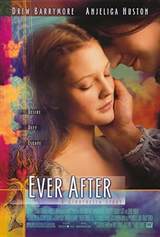
Ever After: A Cinderella Story
Scored from 211 calibrated IMDb reviewers. Cohort: Films · 1990s (4,082 peers).
Summary
In 16th-century France, a spirited young woman named Danielle is orphaned and forced into servitude by her cruel stepmother and stepsisters after her beloved father's death. A chance encounter with Prince Henry, who is chafing against an arranged marriage, sparks a romance as Danielle disguises herself as a courtier to advocate for the downtrodden. Her wit, courage, and admiration of Thomas More win the prince's heart, even as her stepmother schemes to expose her.
Ever After: A Cinderella Story (1998) is a film IMDb files under the drama and romance genres.
4,081 other films from the 1990s form the cohort it is ranked inside. The calibrated figure is built from 211 of its IMDb reviewers. A broader pool of 230 reviewers with two or more reviews feeds the raw-average track instead. Rotten Tomatoes carries a separate audience for the same title, 14,545 of whom clear the calibration test.
Is Ever After: A Cinderella Story (1998) worth watching?
- Cohort
- Films · 1990s · 4,082 titles
- Calibrated reviewers
- 211
Cohort: Films · 1990s