Film · 2012 · Films · 2010s
Django Unchained
Scored from 1,513 calibrated IMDb reviewers. Cohort: Films · 2010s (13,059 peers).
Summary
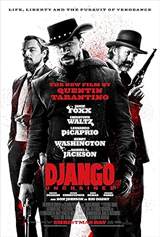
A freed slave turned bounty hunter teams up with a German bounty hunter to rescue his wife from a ruthless plantation owner in the antebellum South. Using an elaborate con, they infiltrate the plantation under the guise of interested buyers, but their plan threatens to unravel when the owner's suspicions grow.
Django Unchained is a 2012 western, drama and adventure film directed by Quentin Tarantino. Its certificate is R. Its country of origin is listed as the United States. Jamie Foxx, Christoph Waltz and Leonardo DiCaprio head the billed cast. It runs 2h 45m.
13,058 other films from the 2010s form the cohort it is ranked inside. Rotten Tomatoes carries a separate audience for the same title, 11,938 of whom clear the calibration test. The calibrated figure is built from 1,513 of its IMDb reviewers. A broader pool of 1,594 reviewers with two or more reviews feeds the raw-average track instead.
Is Django Unchained (2012) worth watching?
- Cohort
- Films · 2010s · 13,059 titles
- Calibrated reviewers
- 1,513
Cohort: Films · 2010s