Film · 2017 · Films · 2010s
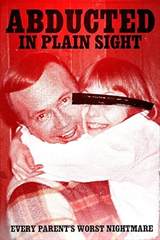
Abducted in Plain Sight
Scored from 212 calibrated IMDb reviewers. Cohort: Films · 2010s (13,059 peers).
Summary
A documentary examining the bizarre, almost unbelievable true story of the Broberg family, whose young daughter Jan was abducted twice by a charismatic family friend, Robert Berchtold, in the 1970s. Through interviews with the family, the film explores how Berchtold manipulated and groomed not just Jan but her parents, exposing the disturbing dynamics that allowed the kidnappings to happen.
Released in 2017, Abducted in Plain Sight is a crime and documentary film.
A second review pool sits behind it as well: 21 Rotten Tomatoes reviewers clear the same calibration test, and Rankquant scores them separately. 212 IMDb reviewers are calibrated for this title, and those are the ones the calibrated score reads; a separate, broader pool of 218 reviewers with at least two reviews each feeds the raw-average track. The cohort it is ranked inside is 2010s films — 13,059 of them.
Is Abducted in Plain Sight (2017) worth watching?
- Cohort
- Films · 2010s · 13,059 titles
- Calibrated reviewers
- 212
Cohort: Films · 2010s