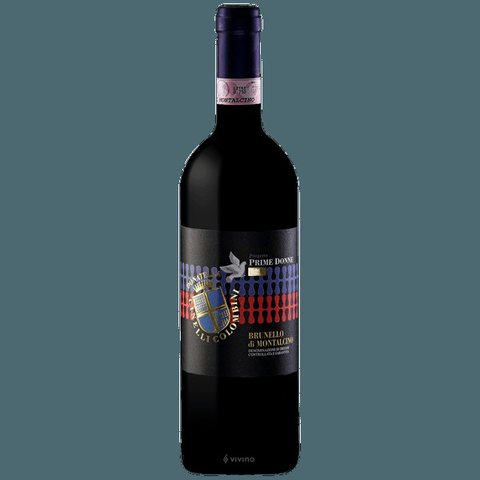
Red · Veneto · Italy
Zenato Cresasso Corvina Veronese
Scored from 608 calibrated Vivino reviewers. Cohort: Red · Italy (947 wines).
Find this wine: view on Vivino · compare prices on Wine-Searcher
Is Cresasso Corvina Veronese a good wine?
Tasting profile
Full-bodied and richly fruited, with red-fruit and amarena cherry flavors, soft tannins, and bright acidity that reviewers describe as complex, well balanced, and impressively long on the finish. It opens up beautifully with air, drinking smooth and approachable yet substantial enough to win over both casual drinkers and seasoned palates.
Synthesized from 608Vivino reviewers' tasting notes for this bottle.
What reviewers say
“Det and fruity, complex, well balanced, long aftertaste. Drink now until 2017”
From a top-rated Vivino review for this bottle.
Summary
Zenato Cresasso Corvina Veronese is an Italian red from Veneto.
608 Vivino reviewers are calibrated for this bottle, and those are the ones the calibrated score reads; a separate, broader pool of 629 reviewers with at least two ratings each feeds the raw-average track. 946 other reds from Italy form the cohort it is ranked inside.
- Cohort
- Red · Italy · 947 wines
- Calibrated reviewers
- none yet