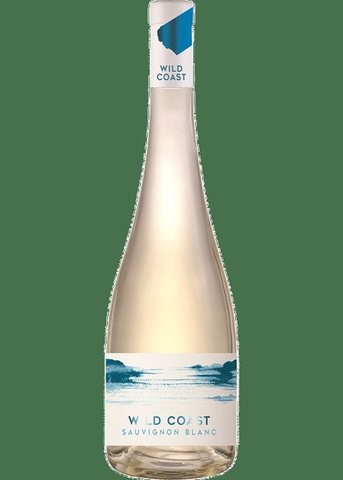
White · Capo Occidentale · Sudafrica
Wild Coast Sauvignon Blanc
Scored from 251 calibrated Vivino reviewers. Cohort: White · Sudafrica (15 wines).
Find this wine: view on Vivino · compare prices on Wine-Searcher
Is Sauvignon Blanc a good wine?
What reviewers say
“Pale lemon; medium (-) nose of gooseberry, minerals, lemon grass & little else. Not noseworthy. Medium (+) acidity, medium body (see below) & abv (12.5%). Palate: lemon zest, cream (surely from lees contact), lemon grass & minerals. A dry, drinkable yet sadly disappointing SB. Pairs well chilled and with food (in this case, cheese & nuts with assorted "gourmet crackers," whatever the hell those are) but on its own, it falls flat. There is nothing wrong with it, but nothing amazing either.”
From a top-rated Vivino review for this bottle.
Summary
Wild Coast Sauvignon Blanc is a South African white from Capo Occidentale.
The calibrated figure is built from 251 of its Vivino reviewers. A broader pool of 253 reviewers with two or more ratings feeds the raw-average track instead. Its in-cohort standing is measured against 14 other whites from South Africa, not against the corpus as a whole.
- Cohort
- White · Sudafrica · 15 wines
- Calibrated reviewers
- none yet
Cohort: White · Sudafrica