Red · Central Coast · United States
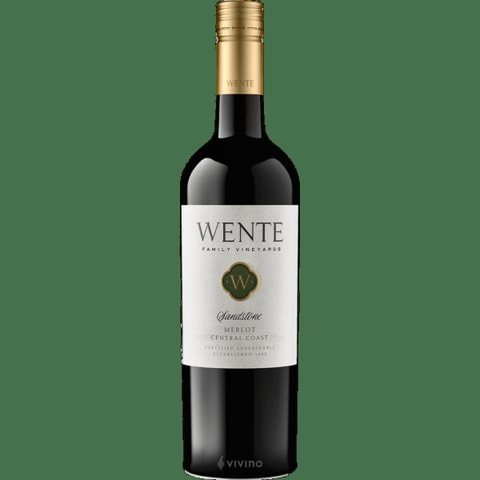
Wente Family Vineyards Sandstone Merlot
Scored from 1,700 calibrated Vivino reviewers. Cohort: Red · United States (1,156 wines).
Find this wine: view on Vivino · compare prices on Wine-Searcher
Is Sandstone Merlot a good wine?
What reviewers say
“Nariz concentrada en compota de fruta (cereza, ciruela, mora, arándano) gratinada en caramelo, capa de canela, vainilla y chocolate, sutil humo y pimienta.”
From a top-rated Vivino review for this bottle.
Summary
It has aromas and flavors of black cherry, blackberry and plum with hints of toasted oak. A smooth mouthfeel and inviting tannins lead to a long, fruity finish.
From Central Coast in the United States, Wente Family Vineyards Sandstone Merlot is a red. The cheapest 750 ml listing found for it is $17.69, which puts the bottle in the $15–30 band.
1,700 Vivino reviewers are calibrated for this bottle, and those are the ones the calibrated score reads; a separate, broader pool of 1,752 reviewers with at least two ratings each feeds the raw-average track. The cohort it is ranked inside holds 1,156 American reds.
- Cohort
- Red · United States · 1,156 wines
- Calibrated reviewers
- none yet
Cohort: Red · United States