White · Rheinhessen · Allemagne
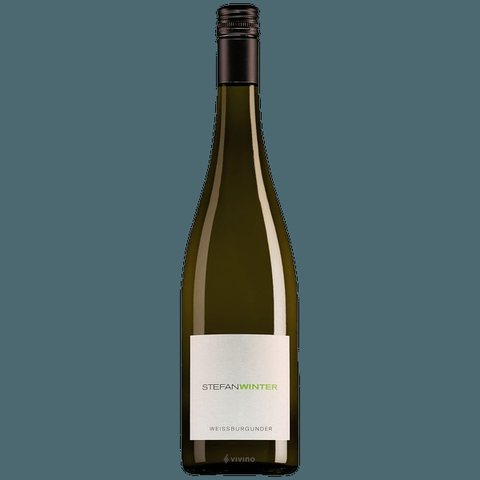
Weingut Winter Weissburgunder
Scored from 176 calibrated Vivino reviewers. Cohort: White · Allemagne (155 wines).
Find this wine: view on Vivino · compare prices on Wine-Searcher
Is Weissburgunder a good wine?
What reviewers say
“Feiner, schmelziger und weicher Weißburgunder-Gutswein aus Rheinhessen. Im Glas helles Gelb mit weißen und grünen Reflexen. In der Nase Noten von Kräutern, Toast, Birne, gelber Apfel, Mineralien, Grapefruit und Honig. Auch etwas Melone und Creme. Am Gaumen ist der Wein sehr schmelzig und weich mit feiner Säure und schmeckt fruchtig zugleich. Er ist sehr elegant und fein, cremig und weich. Schöner Essensbegleiter! @[1|44188011|Keywan Klaus Münster] @[1|60678876|Joséphine Bütefür]”
From a top-rated Vivino review for this bottle.
Summary
From Rheinhessen in Germany, Weingut Winter Weissburgunder is a white.
The calibrated figure is built from 176 of its Vivino reviewers. A broader pool of 182 reviewers with two or more ratings feeds the raw-average track instead. The cohort it is ranked inside holds 155 German whites.
- Cohort
- White · Allemagne · 155 wines
- Calibrated reviewers
- none yet
Cohort: White · Allemagne