White · Wachau · Austria
Veyder-Malberg Buschenberg Riesling
Scored from 83 calibrated Vivino reviewers. Cohort: White · Austria (1,190 wines).
Find this wine: view on Vivino · compare prices on Wine-Searcher
Is Buschenberg Riesling a good wine?
Tasting profile
A precise, mineral-driven Riesling showing dried peach, apricot, and green apple alongside slate, salinity, and mature petrol hints, lifted by well-judged acidity. Dry and finely harmonious on the palate, with herbal nuances and a remarkably long finish.
Synthesized from 83Vivino reviewers' tasting notes for this bottle.
What reviewers say
“Das hat viel Freude gemacht. Exotik pur. Pfirsich, Melone, reife Trauben, Früchte. Ewig langer Nahhall. Sehr schön!”
From a top-rated Vivino review for this bottle.
Summary
Veyder-Malberg Buschenberg Riesling is an Austrian white from Wachau.
The calibrated figure is built from 83 of its Vivino reviewers. A broader pool of 85 reviewers with two or more ratings feeds the raw-average track instead. The cohort it is ranked inside holds 1,190 Austrian whites.
- Cohort
- White · Austria · 1,190 wines
- Calibrated reviewers
- none yet
Cohort: White · Austria
Closest peers
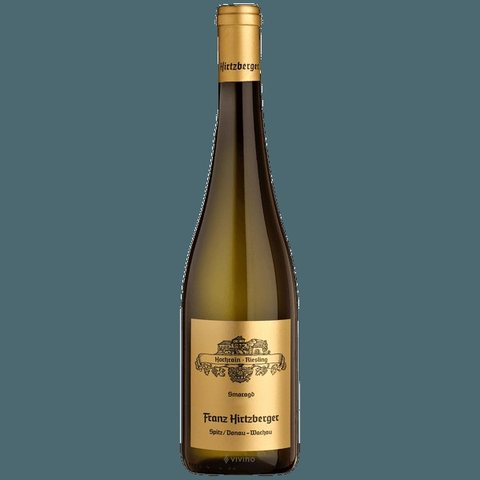 White96.6
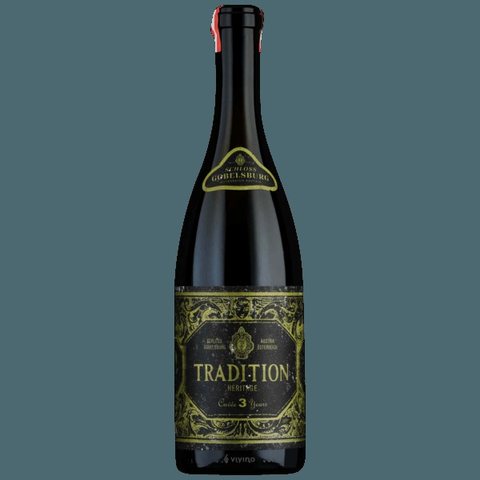 White96.4