Red · Napa Valley · United States
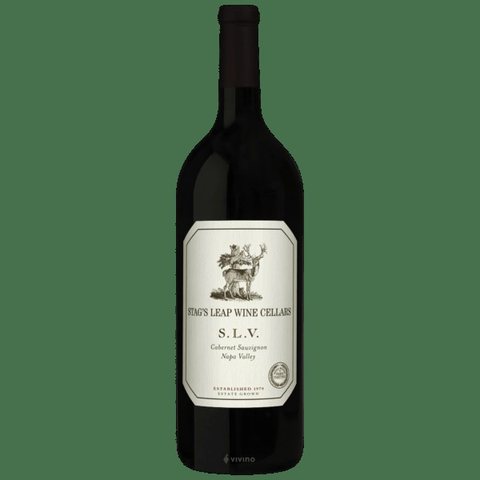
Stag's Leap Wine Cellars S.L.V. Cabernet Sauvignon
Scored from 1,996 calibrated Vivino reviewers. Cohort: Red · United States (1,156 wines).
Find this wine: view on Vivino · compare prices on Wine-Searcher
Is S.L.V. Cabernet Sauvignon a good wine?
What reviewers say
“Tons of red berry fruits, hints of tobacco, the best red wine in the whole world. Winner of the judgement of Paris in. 1976 and in 2006.”
From a top-rated Vivino review for this bottle.
Summary
Offers generous aromas of cocoa powder, graphite, blackberry and baking spice. A broad, silky entry fills the mouth with dark berry fruit and dark chocolate flavors. The palate is rich and concentrated with round tannins that are present but enjoyable and inviting.
Stag's Leap Wine Cellars S.L.V. Cabernet Sauvignon is an American red from Napa Valley. At $350 for the lowest 750 ml listing, it belongs to the $120-and-up band.
1,155 other reds from the United States form the cohort it is ranked inside. The calibrated figure is built from 1,996 of its Vivino reviewers. A broader pool of 2,033 reviewers with two or more ratings feeds the raw-average track instead.
- Cohort
- Red · United States · 1,156 wines
- Calibrated reviewers
- none yet
Cohort: Red · United States