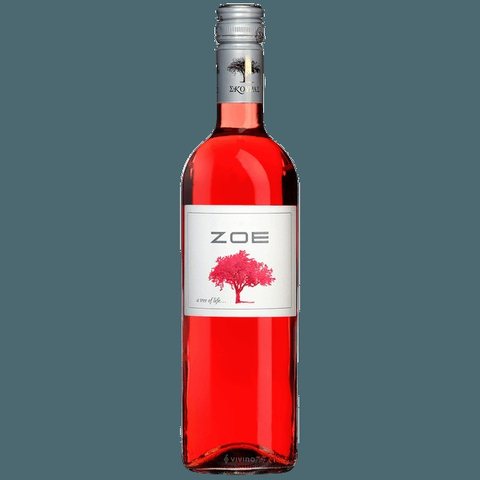
Rosé · Peloponnesos · Greece
Skouras ZOE Rose
Scored from 433 calibrated Vivino reviewers. Cohort: Rosé · Greece (96 wines).
Find this wine: view on Vivino · compare prices on Wine-Searcher
Is ZOE Rose a good wine?
What reviewers say
“🇬🇷 🍽️ Orzo, chorizo, prawns & tomato sauce👌🏼Paired with this Zoë rosé from Skouras Winery, Peloponnese. 🍇 70% Agiorghitiko & 30% Moscofilero.”
From a top-rated Vivino review for this bottle.
Summary
The colοr is bright, medium deep cherry-red with pink hues. On the nose, it is vibrant and full of clarity with aromas of ripe cherries, and raspberries coupled with hints of sweet spices and floral, rose petal notes. On the palate it has a medium body, moderately high acidity and the slightest suggestion of very ripe tannins. Flavors are consistent with aromas, together with some shades of sweet grass and bubble gum.
Skouras ZOE Rose is a rosé from Peloponnesos, Greece, blended from Moschofilero and Agiorgitiko.
The calibrated figure is built from 433 of its Vivino reviewers. A broader pool of 452 reviewers with two or more ratings feeds the raw-average track instead. The cohort it is ranked inside holds 96 Greek rosés.
- Cohort
- Rosé · Greece · 96 wines
- Calibrated reviewers
- none yet
Cohort: Rosé · Greece