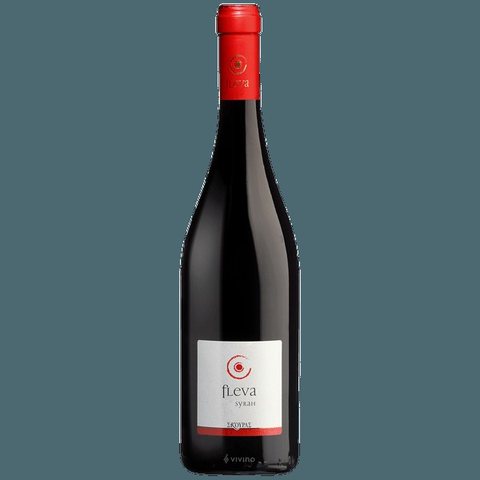
Red · Peloponeso · Grecia
Skouras Fleva
Scored from 569 calibrated Vivino reviewers. Cohort: Red · Grecia (2 wines).
Find this wine: view on Vivino · compare prices on Wine-Searcher
Is Fleva a good wine?
What reviewers say
“Starts calmly, develops well into a full bodied robust wine. Strong oak, hints of cherry.”
From a top-rated Vivino review for this bottle.
Summary
Deep red, almost impenetrable, a prelude to its density. A nose rich in aromas and focused on dark fruits, such as blackberries, black cherries and plums, followed by multiple layers of black pepper, liquorice, cloves, thyme, laurel leaves, hints of truffle, black chocolate and tobacco. The palate displays aromatic width, nerve and acidity. Ripe tannins come with volume and complexity. Ready to be matched with well-hung game and rich red-meat dishes.
Skouras Fleva is a red from Peloponeso, Greece, made from Shiraz Syrah.
Its in-cohort standing is measured against 1 other reds from Greece, not against the corpus as a whole. The calibrated figure is built from 569 of its Vivino reviewers. A broader pool of 595 reviewers with two or more ratings feeds the raw-average track instead.
- Cohort
- Red · Grecia · 2 wines
- Calibrated reviewers
- none yet